
Selecting the right material for your new windows can significantly impact both the aesthetics and efficiency of your home. At Somerton Windows, we understand that choosing between aluminium and uPVC windows is one of the more common dilemmas faced by homeowners. Here, we’ll guide you through the key differences to help you make an informed decision that suits your needs and preferences.
Durability and Maintenance
Aluminium windows are renowned for their durability and strength, which directly contributes to their longevity. This material is resistant to the elements, meaning it won’t warp, crack, or swell over time. Aluminium frames are also low-maintenance, typically requiring just a wipe down with a damp cloth to keep them looking pristine.
uPVC windows, while not as strong as aluminium, are also designed to be durable and resist weather conditions. They are less likely to fade or discolour over time compared to their earlier versions. Like aluminium, uPVC is low-maintenance, needing only occasional cleaning to maintain its appearance.
Thermal Efficiency
When it comes to insulation, both materials have their merits. Modern uPVC windows are excellent insulators and can significantly reduce energy consumption by keeping your home warm in the winter and cool in the summer. They are often favoured for their superior energy efficiency.
Aluminium windows, traditionally viewed as less insulative, have seen significant advancements with the introduction of thermal breaks. These thermal barriers within the aluminium frames minimise heat loss, boosting their energy efficiency to compete closely with uPVC.
Comparing Aluminium and uPVC Windows
Choosing between aluminium and uPVC windows depends on your priorities, whether that’s budget, energy efficiency, durability or appearance. Both materials offer excellent performance and low maintenance, but each has unique advantages that make it better suited to different homes and lifestyles. The comparison below highlights the key differences to help you make the right choice.
| Feature | Aluminium Windows | uPVC Windows |
|---|---|---|
| Durability | Exceptionally strong, resistant to warping, corrosion and weathering, with a long lifespan. | Durable and weather-resistant, requiring very little maintenance throughout their lifetime. |
| Thermal Efficiency | Modern thermal breaks deliver excellent insulation and competitive energy performance. | Naturally efficient, helping to keep homes warm in winter and cool in summer. |
| Appearance | Slim frames, larger glazed areas and a contemporary finish with a wide choice of colours. | Traditional styling with a variety of finishes, including realistic woodgrain effects. |
| Cost | Higher initial investment that reflects its premium appearance and long lifespan. | A cost-effective solution that offers excellent value without compromising quality. |
| Sustainability | Highly recyclable and can be reused repeatedly without losing quality. | Increasingly recyclable, with many modern systems incorporating recycled materials. |
Aesthetic and Design
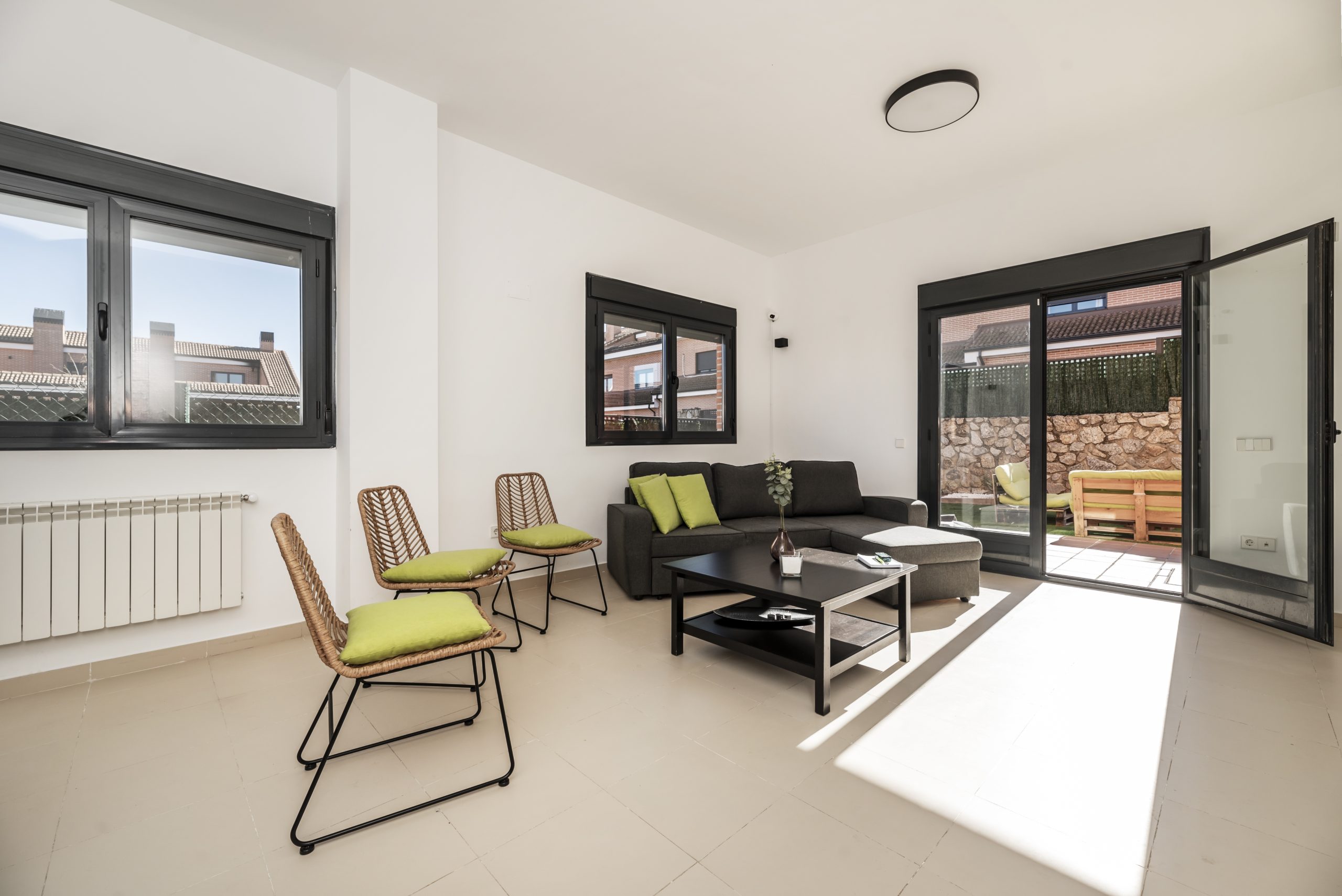
Aesthetically, aluminium windows offer a sleek, modern look with slim frames and a large glass surface area, which increases the influx of natural light into your home. They come in a wide range of colours and finishes, including matte and glossy options, thanks to a powder coating that makes the colour last without fading.
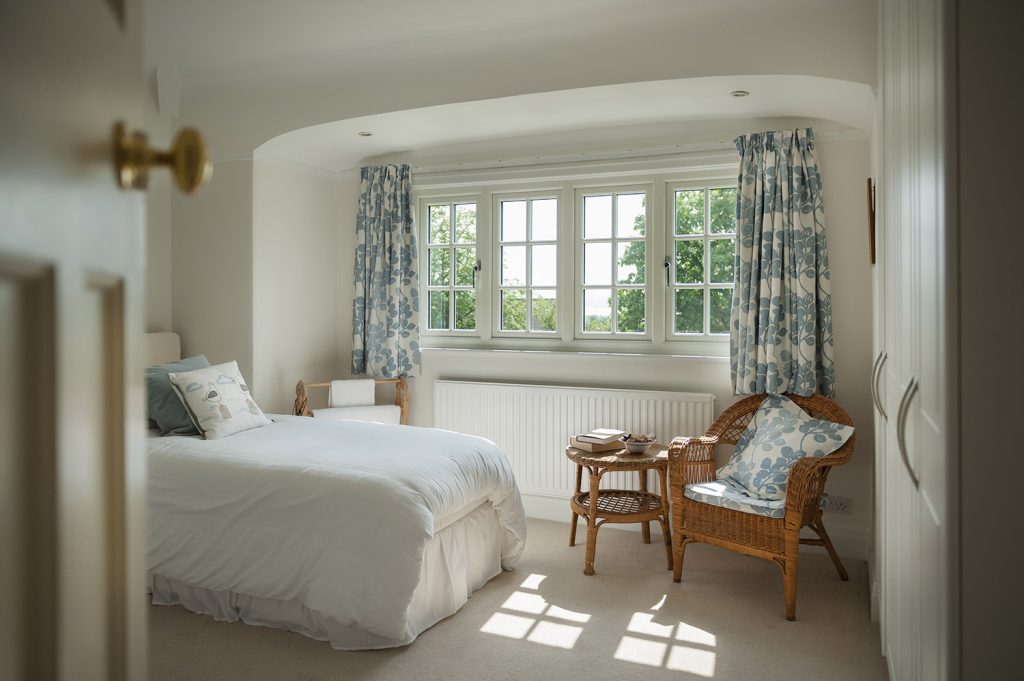
uPVC windows tend to have thicker frames but have evolved in design flexibility. Available in various finishes, including woodgrain, uPVC can be a good substitute for traditional timber frames, offering a classic look without the maintenance demands of wood.
Cost Comparison
In terms of cost, uPVC windows are generally more affordable than aluminium. This makes them a popular choice for homeowners looking for a cost-effective solution without compromising on quality and energy efficiency.
Aluminium windows are typically at a higher price point, reflecting their robustness and lifespan. They’re often considered an investment, especially for contemporary architectural designs.
Environmental Impact
Both aluminium and uPVC windows have considerations when it comes to environmental impact. Aluminium is highly recyclable and retains its properties indefinitely, which means it can be reused without losing quality or durability, offering a sustainable option for environmentally conscious homeowners.
uPVC, while less environmentally friendly in manufacturing, has made strides with recycling processes. Choosing uPVC from a supplier that prioritises recycled materials can offset some of these environmental concerns
Choose The Right Window Material With Somerton Windows
Deciding between aluminium and uPVC windows comes down to considering the specific needs of your home, your budget, and your aesthetic preferences. If longevity, a modern look, and ecological considerations are your priorities, aluminium might be the best choice. For those seeking energy efficiency, lower costs, and a variety of design options, uPVC could be ideal.
At Somerton Windows, we’re dedicated to helping you find the perfect fit for your home. Get in touch with us or get a quote tailored to your home.
